Mailing List


Jonathan Gibbs

Jonathan Gibbs was shortlisted for the White Review Short Story Prize 2013. He has since published a novel, Randall or the Painted Grape (Galley Beggar Press).


Articles Available Online


Jessie Greengrass’s ‘Sight’

Book Review

February 2018

Jonathan Gibbs

Book Review

February 2018

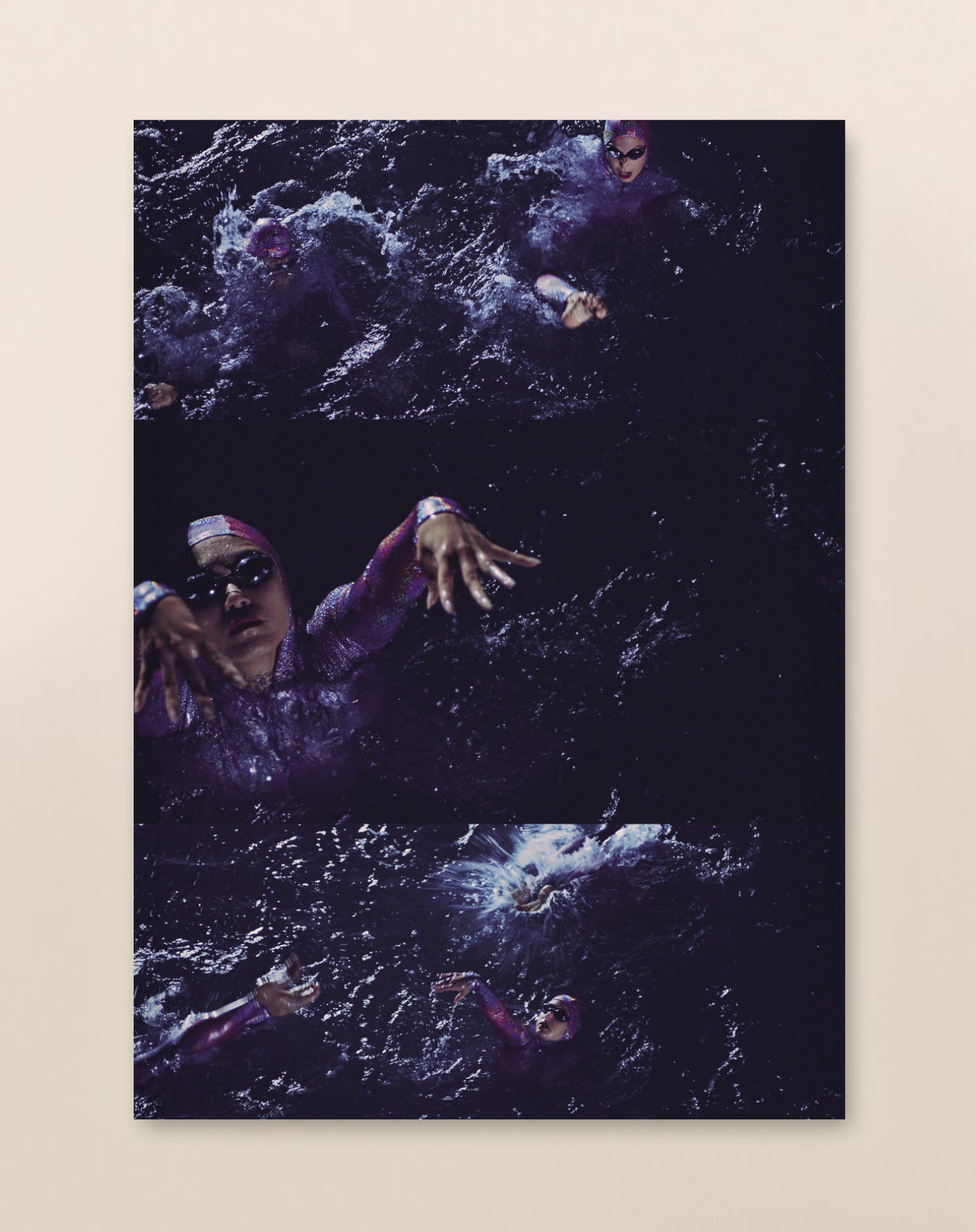
Jessie Greengrass’s debut story collection caught my eye with its delightfully extravagant title, An Account of the Decline of the Great Auk, According to...
feature

May 2016

Cinema on the Page

Jonathan Gibbs

feature

May 2016

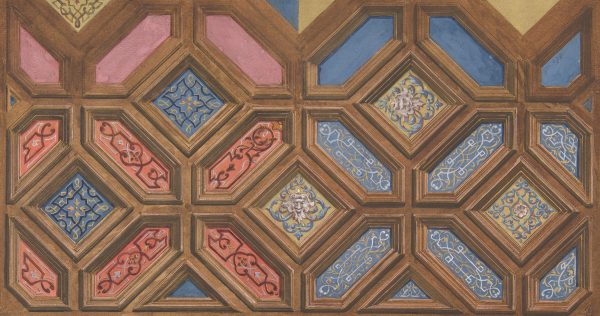
Film is a bully. It wants to make its viewers feel, and it has the tools to do so....

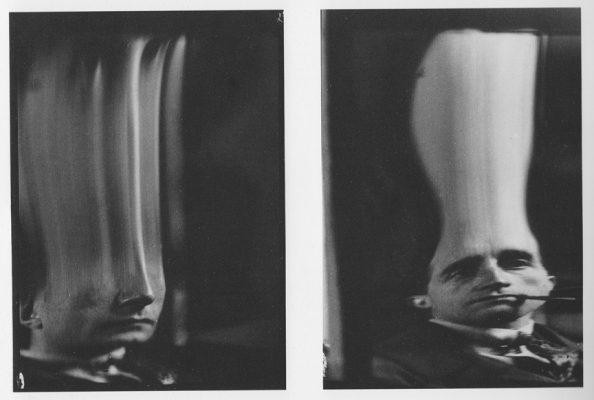
Painter, performer, poet, writer and mystic Brion Gysin (1916-86) was an early prophet of our age He was a pioneer of the cut-up method, a technique that in many ways anticipated the internet’s impact on the way that we break down information and ascribe meaning to symbols and words   His innovations include early sound poetry and a scientifically-researched device known as the Dreamachine Despite forging a creative practice that would influence some of the twentieth century’s most important artists, from the Beat Generation to Bowie, Gysin has slipped into relative obscurity His anonymity is in stark contrast to his lifelong friend and collaborator William S Burroughs, whose Naked Lunch became a countercultural bible and must-read for any teenage recluse Gysin was born in England to Canadian parents in 1916 He was introduced into Surrealist circles while studying at the Sorbonne, and after the war accompanied Paul Bowles to Morocco It was there that Gysin met Burroughs The two ended up back in Paris together in 1958 at the infamous Beat Hotel Their experiments with the cut-up technique, in which words and phrases are literally cut up into pieces and rearranged to disassociate them from their received meanings and reveal new ones, culminated in Burroughs and Gysin’s The Third Mind, a book-length collage manifesto on the possibilities of the practice From the late 1950s to the early 1960s, Gysin’s style manifested itself in a series of calligraphic paintings and drawings that he produced in Morocco Fluent in written Japanese and Arabic, Gysin’s script-like canvases represent an attempt to fuse writing and painting into a single complex system of mark-making He used a grid formation, making marks from top to bottom as well as right to left, to create a dense pattern of abstract language Circa 1960, Gysin collaborated with Ian Sommerville, a mathematician and budding computer scientist studying at Oxford He and Sommerville were attempting to computerise the shift and change of words and sounds, naming these experiments with printed words and magnetic tape Permutations Works like ‘Pistol Poem’, comprised solely

Contributor

August 2014

Jonathan Gibbs

Contributor

August 2014

Jonathan Gibbs was shortlisted for the White Review Short Story Prize 2013. He has since published a novel, Randall or...

The Story I'm Thinking Of

fiction

April 2013

Jonathan Gibbs

fiction

April 2013

There were seven of us sat around the table. Seven grown adults, sat around the table. It was late. We had eaten, and we had...

READ NEXT

poetry

April 2017

The Village

Mona Arshi

poetry

April 2017

                                 When I pronounce...

feature

January 2011

Futures Past: Monumental Memorials of Modern Berlin

Leila Peacock

feature

January 2011

Cities display a worship of history in the monuments and memorials that they choose to erect, through which the...

feature

Issue No. 8

Barking From the Margins: On écriture féminine

Lauren Elkin

feature

Issue No. 8

 I. Two moments in May May 2, 2011. The novelists Siri Hustvedt and Céline Curiol are giving a talk...


Get our newsletter


* indicates required